Sea Air, Steel and Seals: Keeping a Glow-worm Happy by the Coast
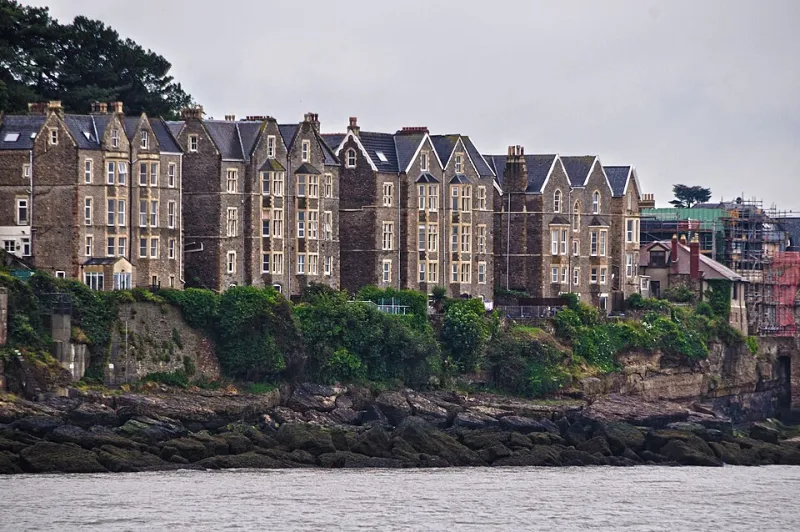
Photo: Lewis Clarke , CC BY-SA 2.0, via Wikimedia Commons
Coastal homes get the view. The boiler gets the salt.
On the UK coast, even a few miles inland can mean more airborne chloride, wind-driven rain and constant swings between damp and drying conditions. A Glow-worm boiler is usually indoors and tucked away, but the parts that face the weather — the flue terminal, external pipework, the condensate route and the air path around the building — take more punishment. That does not mean a seaside install is a bad idea. It means the details matter more.
What the coast actually throws at a boiler
Salt does not need to soak a boiler to cause trouble. Airborne salt settles on metal flue terminals, screws, brackets and external pipework. Add driving rain and you get corrosion, seized fixings and perished seals. Wind can push rain into a flue terminal if it is badly placed, and strong gusts can affect how the plume disperses. None of that is a reason to box the flue in or build a little shelter around it. Flues need to breathe, and a homemade cover can create more problems than it solves.
Specifying for an exposed spot
Start with the flue. The terminal has to comply with the manufacturer instructions and building regulations, and the route should be planned by someone who fits boilers for a living. A Gas Safe registered installer can check clearances to windows, doors, boundaries and vents, and can advise on a plume management kit where the plume would otherwise drift across a path or into a neighbour's space. The kit must be approved for the boiler, not improvised.
If you have a choice, avoid a terminal that sits in the full face of the prevailing wind or directly under a drip line from the roof. That is not always possible on a coastal plot, but it is worth discussing before the flue hole is cut. External pipework should be insulated, clipped securely and kept as short as practical. On the condensate side, a larger pipe with a steady fall is less likely to freeze or choke, and an internal route is usually preferable where one exists.
The guard question
Flue guards are sometimes needed where a terminal is within reach, but they are not a universal coastal fix. A guard has to be suitable for the flue and fitted without restricting the air flow or trapping debris. If a guard is already fitted, include it in the annual check. Salt, grit and nesting material can collect behind it, and a guard that looked fine in autumn can be doing harm by February.
An annual coastal inspection checklist
A normal boiler service is essential, but coastal homes benefit from a look at the outside bits too. Ask your installer to check:
- the flue terminal for pitting, corrosion, loose screws and bird activity
- flue seals and gaskets for cracking or hardening
- plume direction and any staining on the wall
- external pipe insulation, clips and fixings
- the condensate pipe for fall, blockage and frost risk
- boiler pressure, controls and any fault history
- the area around the terminal for new fences, sheds or planting that could affect clearance
This is not a DIY inspection list. It is a conversation to have with the person servicing the boiler. If you spot rust, a loose flue or a smell of gas, stop and call a Gas Safe registered engineer. Do not tape it up, paint over it or try to tighten anything yourself.
After a storm
Storm season puts extra load on coastal heating systems. Before a named storm, check that the flue is not already loose and that drains near the condensate outlet are clear. After it passes, look from a safe distance for obvious damage. If the boiler has locked out, do not keep resetting it without checking the basics in the manual. If there is any sign of gas, call the National Gas Emergency Service on 0800 111 999.
The bottom line
A Glow-worm can live happily by the sea, but it needs a coastal spec and a coastal routine. Choose the flue position carefully, keep external pipework protected, have the terminal checked annually and deal with corrosion early. The view is worth it. The boiler just needs a little more attention than one in a sheltered Midlands close.