Seven Dials Before December: A Glow-worm Controls Walkthrough
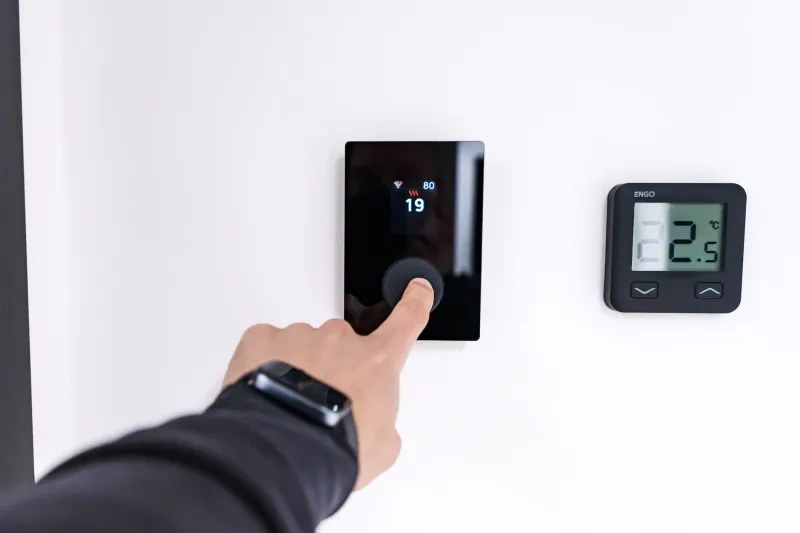
Your Glow-worm boiler is probably not the weak link in your heating system. The controls often are. Not because they are bad — Glow-worm makes capable programmers, thermostats and app controls — but because most of us find a setting we like in autumn and never look at it again. Then December arrives, the house feels slow to warm, the bill looks lumpy, and we blame the boiler.
A quick controls walkthrough in late 2026 is a cheap way to get ahead of that. The exact menu names vary by model and controller, so use your manual or the Glow-worm app as the final word. Do not remove the boiler casing, and do not go hunting through installer-level menus if you are not sure what you are doing. This is about the settings a homeowner can reasonably reach.
Start With a Photograph, Not a Screwdriver
Before you change anything, photograph the current programmer schedule, thermostat settings and any app screens. It sounds fussy, but it gives you a way back if a new schedule leaves the house cold on a Sunday. Then work through the list below one at a time. Changing five things at once tells you nothing about which one helped.
1. The Room Thermostat Setpoint
This is the dial most people actually use, and the one most often left too high. A comfortable occupied temperature is usually around 19–21°C. Dropping it by one degree can take the edge off running costs without making the house feel like a ski lodge. Set a lower overnight or away temperature — 16–17°C is common — rather than switching the heating completely off and letting the fabric of the house go cold.
If you have a smart thermostat, check that it is using a schedule rather than permanent manual override. A thermostat that is constantly boosted is just an expensive on switch.
2. Heating Flow Temperature
Flow temperature is the temperature of the water the boiler sends to your radiators. Many Glow-worm boilers are designed to condense and run efficiently at lower flow temperatures, but plenty of homes are set higher than they need to be. If your controller allows homeowner adjustment, try reducing it in small steps — a few degrees at a time — and give the house a day or two to respond. If rooms still reach temperature comfortably, you are probably on the right track.
If the setting is buried in an installer menu, leave it. Ask your engineer at the next service. Do not start randomly pressing buttons in advanced menus to see what happens.
3. Weather Compensation
Weather compensation adjusts the flow temperature according to the outdoor temperature. On a mild November day the boiler can run cooler; on a sharp December morning it can lift the output. If your Glow-worm system supports it and it is not already enabled, it is worth asking your installer to set it up properly. Once it is running, resist the urge to fiddle with the curve every time the house feels slightly cool. Small, patient adjustments are better than daily tweaks.
4. Timer Schedules
Look at when your heating actually comes on and goes off. A common pattern is a long morning block, a long evening block, and a lot of wasted heat in between. Match the schedule to the way your household actually lives. If nobody is home until 5pm, there is little point heating an empty house from 2pm. If you work from home, a gentler all-day schedule may suit better than a blast morning and evening.
Do not forget weekends. A schedule copied from a working week can leave Saturday morning chilly. Set a separate weekend profile if your controls allow it.
5. Holiday Mode and Frost Protection
Holiday mode is underused. It keeps the heating ticking over at a low temperature so pipes do not freeze, while stopping the house from being fully heated while you are away. Use it rather than switching the boiler off at the wall. Frost protection needs power to work. If you have a smart controller, check that away mode and frost protection are not fighting each other.
6. Domestic Hot Water Temperature
On a combi boiler, the hot water temperature setting affects comfort and efficiency. Too low and you may run a bath that never quite gets hot; too high and you risk scalding and more energy use. Many households settle somewhere around 50–55°C at the tap, but follow your Glow-worm manual and your own circumstances. If you have a stored hot water cylinder, do not drop the cylinder temperature below the safe level recommended for legionella control — usually 60°C in the cylinder — and keep any anti-legionella cycle active.
7. Eco, Comfort and Preheat Modes
Combi boilers often have a hot water preheat or comfort mode. It gives you hot water faster at the tap, but it can fire the boiler when you are not using any. Eco mode usually waits until you turn a tap before heating water. If you can live with a few seconds of delay, eco is often the better everyday choice. Switch comfort mode on if you have a busy household and the convenience matters more than the gas.
The Settings to Leave Alone
Installer parameters, maximum output, gas valve settings, combustion checks and anything behind the casing are not DIY territory. Nor should you start changing safety limits or fault codes. If a setting is not clearly explained in the homeowner manual, leave it. A boiler that is running safely and has been serviced is worth more than a perfectly optimised menu you stumbled into by accident.
A Simple Pre-December Checklist
Photograph your current settings. Set the room thermostat to a sensible occupied temperature. Check the overnight setback. Reduce flow temperature only if your controls allow it safely. Ask your installer about weather compensation. Update the timer schedule for winter routines. Set holiday mode before any trip away. Check radiator thermostatic valves are not stuck shut. Book the service if it is due, and test your carbon monoxide alarm.
None of this replaces an annual service or a proper heat-loss check. But it does mean your Glow-worm boiler starts December with a fighting chance — and you are not paying to heat an empty hallway at 22°C.