Before the First Cut: A Glow-worm Replacement in an Asbestos-Age Home
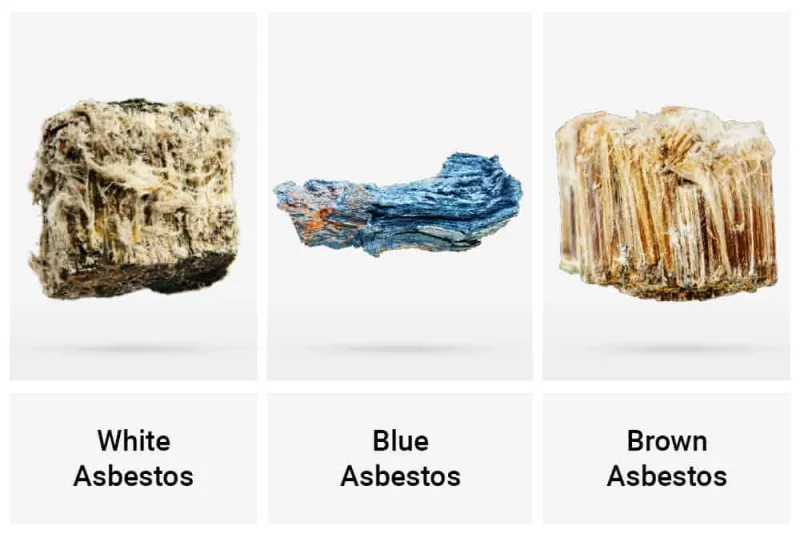
Photo: asbestos survey boiler cupboard UK home, via enviroxconsulting.com.au
A Glow-worm replacement usually follows a familiar script: clear the cupboard, isolate the old boiler, lift it off the wall, and start making good. But in older UK homes, the script can change the moment a torch beam lands on a pale board behind the old casing or a fibrous rope seal around the flue. The job stops. Not because your installer is being awkward, but because the sensible response to a suspected asbestos-containing material is to leave it alone.
That pause can feel frustrating when you have quotes to compare and a cold snap on the horizon. It is also exactly the right move. This guide is about what happens next, and how to plan a Glow-worm installation in an asbestos-age property without cutting corners.
Why the installer downs tools
Asbestos was used in all sorts of building products in the UK before the dangers were fully recognised and before strict controls came in. Homes built or refurbished before the year 2000 can still contain it. Around a boiler, common suspects include insulation boards, cement flue sections, rope seals, gaskets, cupboard linings, floor tiles and textured coatings on the ceiling above.
A Glow-worm installer is not there to identify asbestos by eye. They are there to fit a boiler safely. If something looks suspicious, the correct response is to stop drilling, stop cutting, stop vacuuming and stop moving debris around. Disturbing asbestos can release fibres that are far too small to see, and ordinary household vacuums are not designed to cope with them.
So don’t be surprised if your installer isolates the area, explains what they have seen and asks you to keep everyone out of the cupboard. That is not a sales tactic. It is the point where the job changes from a boiler swap into a small asbestos project.
The legal bit, without the jargon
The Control of Asbestos Regulations 2012 set out the framework in Great Britain, with separate but similar arrangements in Northern Ireland. The detail matters more to contractors than homeowners, but the principle is simple: nobody should disturb asbestos-containing materials without knowing what they are dealing with and taking the right precautions.
Some asbestos work is licensed. Higher-risk materials, such as certain insulation boards or lagging, normally require an HSE-licensed contractor. Some lower-risk work, such as certain asbestos cement products, may be non-licensed but still needs careful handling, correct protective equipment and proper waste disposal. The line between the two is not aDIY decision.
For a domestic homeowner, the practical duty is not to become an asbestos surveyor overnight. It is to avoid letting anyone — a builder, a mate with a van, or even a well-meaning gas engineer — rip out suspect material to keep the job moving. Contractors have their own duties, and a competent installer will want a paper trail before work resumes.
Survey first, then the quote can breathe
If asbestos is suspected around the boiler or flue route, the next step is usually a survey. For a boiler replacement, you do not necessarily need a full building survey. You need a targeted assessment of the area that will be disturbed: the boiler cupboard, the wall behind it, the flue path, and any boxing or ceiling that has to be opened up.
Ask for someone competent and, ideally, accredited for asbestos surveying. The surveyor should be able to tell you whether a material is confirmed, presumed or not found, and what that means for removal. If the material is going to be disturbed, a refurbishment and demolition survey may be more appropriate than a management survey, because it is designed to locate asbestos that will be affected by the work.
This is also the point to check that your Glow-worm installer has allowed for access. A cupboard crammed with paint tins and old coats is not helpful. Clear access makes the survey quicker, the removal safer and the eventual installation less likely to hit another surprise.
Timelines and costs: the honest version
Asbestos removal is not a flat-rate add-on. Costs depend on the material, the amount, access, whether a licensed contractor is needed, and how the waste is packaged and consigned. A small suspect board in a boiler cupboard might be a modest several-hundred-pound job; a more complex flue or cupboard lining removal can run into four figures. A survey itself may cost a few hundred pounds. These are planning ranges, not quotes.
Timelines vary too. A straightforward non-licensed removal might be booked within days; licensed work can take longer because of notification, site setup and specialist availability. Add in the Glow-worm installation itself and you can lose a week or more. In November, that matters.
A sensible plan keeps the two jobs separate. Do not book the boiler fit for the same morning as an asbestos removal and hope the timings dovetail. Get the removal signed off, keep the paperwork, then let the installer back in. If the heating is off in the meantime, ask about temporary heaters and make sure vulnerable household members are looked after.
Planning a Glow-worm swap in an older home
If your property predates 2000 and the boiler cupboard has not been touched for years, mention it before the quote is finalised. A good installer will build an asbestos check into the pre-installation survey rather than discovering the issue with a drill in hand. If the flue route is likely to pass through suspect material, discuss alternative routes early. Sometimes a different boiler position or flue path avoids the problem entirely.
Do not box in an old boiler before removal. Do not paint over suspect board and hope it goes away. And do not accept a quote that quietly assumes the cupboard is clean just because it looks tidy. The cheapest quote is not cheap if it skips the survey and leaves you with a stopped job and a contaminated cupboard.
When the work does go ahead, keep the survey report, removal certificate, waste consignment note and Glow-worm commissioning paperwork together. If you ever sell the property or need to make a warranty claim, that file is worth more than a drawer full of old quotes.
What not to do when the find happens
Do not sweep up debris, bag it and put it in the wheelie bin. Do not use a normal vacuum. Do not ask the gas engineer to ‘just whip it out’ because they are already there. Do not let a general builder remove licensed asbestos to save a few quid. And do not assume a small board is harmless because it is small.
The right response is boring and safe: stop, isolate, ventilate if appropriate, and get competent advice. A hidden hazard is a pause in the project, not a disaster. In 2026, with heating costs still on everyone’s mind, it is tempting to rush a Glow-worm replacement. But a safe installation is the only kind worth having. The boiler can wait a few days. The fibres should not be hurried.