Six Weeks, One Boiler: Scheduling a Glow-worm Swap Before Christmas 2026

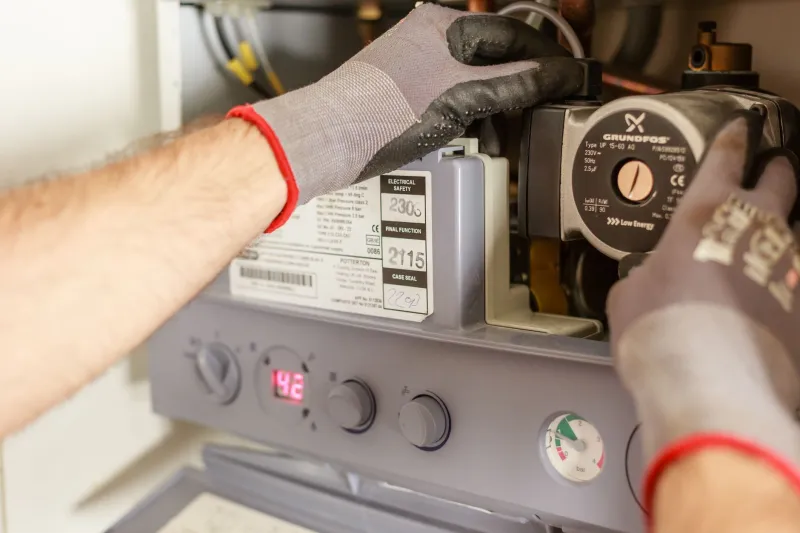
Photo: UK heating engineer installing a wall-mounted boiler in a home, via upload.wikimedia.org
Today is 11 November 2026. Christmas Eve is six weeks away, and the boiler in your hallway is making a noise you've decided not to investigate too closely. This is the point in the year where a lot of homeowners start thinking about a replacement — and a lot of installers start looking at their diary and quietly closing the book on December.
None of that is a reason to panic. It is a reason to be deliberate. Booking a Glow-worm replacement before the festive rush isn't about grabbing the first quote you see; it's about understanding how the next six weeks actually work, what a good installer should lock in before December, and what you'll do if the old boiler decides to bow out on Boxing Day.
Why the diary fills before the tree goes up
Installers don't disappear on 1 December, but their available slots do. Most reputable firms are booking two to four weeks ahead by mid-November, and the good ones are often tighter than that. Add in the fact that many engineers take time off over Christmas and New Year, and the practical window for a straightforward swap starts to look narrower than the calendar suggests.
There's also the supply side. Glow-worm boilers are generally well stocked in the UK, but specific models, flue lengths, and accessories can vary. A standard combi swap might be a next-week job; a system boiler with a new cylinder, or a model with an unusual flue route, can need a bit more forward planning. None of that is unusual — it's just easier to manage in November than in the third week of December.
What 'booked' should actually mean
A date in someone's diary isn't the same as a plan. Before you commit, ask what happens between now and installation day. A proper installer should confirm the boiler model and output, the flue route, where the condensate will go, and whether any Gas Safe notification or building regulations paperwork is included. If controls are part of the job, the Boiler Plus requirements should be spelled out rather than assumed.
Get the quote in writing, and make sure it separates the boiler, the labour, any extras, and VAT. Ask about the expected delivery date for the unit itself, not just the installation date. And check that the installer is Gas Safe registered — you can verify the licence number on the Gas Safe Register website. It takes two minutes and it's the single most useful check you'll do all month.
The checks worth doing this week
Before you start ringing round, do a bit of homework. Note the make and model of your current boiler, its age, and whether it's a combi, system, or heat-only unit. Dig out the service history if you have it. If the boiler hasn't been serviced in a while, book that now — a service can reveal a failing part while there's still time to sort it, and it gives any installer a clearer picture of what they're replacing.
Also think about the practical stuff: where the new boiler will sit, whether the flue can use the existing route, and whether the cupboard or airing cupboard needs clearing. These aren't glamorous questions, but they're the ones that turn a quote into an accurate quote. If you're considering a hybrid setup or keeping a hot water cylinder, say so early — it changes the scope of the job.
Lead times, parts, and the festive shutdown
A realistic lead time for a standard Glow-worm replacement in late 2026 is often somewhere between one and three weeks from accepted quote to installation, depending on the model and the installer's workload. That's a rough guide, not a promise. The point is that early-to-mid November is a comfortable place to start; the second week of December is not.
Ask directly about parts availability for the model you're being quoted. Most common Glow-worm components are readily available, but if your installation needs a specific flue terminal or a non-standard accessory, confirm it's in stock or has a confirmed delivery date. Also ask what happens if the delivery slips — a good installer will have a contingency, even if it's simply keeping you informed rather than leaving you guessing.
If the old boiler is already wheezing
If your current boiler is showing warning signs — pressure dropping, strange noises, radiators taking longer to heat — don't wait for a formal replacement date to deal with it. Book a repair or service now. A relatively small fix in November could buy you a comfortable December, and it gives you breathing room to choose the replacement properly rather than rushing it.
If the boiler fails completely before installation day, you need a Plan B. Know where your isolation valves are, keep a couple of electric heaters and an electric shower option in mind if you have one, and ask your installer what their policy is for emergency call-outs. Some firms will prioritise existing customers; others won't. Better to find out now than on Christmas Eve.
Planning for disruption, realistically
A boiler swap is usually a day's work for a straightforward combi replacement, but it still means water off, some noise, and a bit of disruption. Clear access to the boiler, the loft, and any radiators being worked on. Move anything fragile. If you work from home, think about whether you'll need to rearrange meetings. It's not a renovation, but it's not nothing either.
Ask your installer how they'll protect floors and surfaces, where they'll need power, and whether they'll need to drain the system. If the job includes a flush and a magnetic filter — which it often should — factor in a little extra time. These are the details that make the difference between a smooth day and a stressful one.
The paperwork that shouldn't wait until January
Once the installation is done, the guarantee needs registering, the building regulations notification needs filing, and the service record needs starting properly. Don't let that drift into the new year. Keep the commissioning document, the benchmark sheet, and the warranty confirmation somewhere you'll actually find them. If you're a landlord, you'll also need the relevant safety records for your files.
Booking a Glow-worm replacement before Christmas isn't about festive panic. It's about giving yourself enough runway to choose sensibly, confirm the details, and avoid a last-minute scramble. Six weeks is plenty of time — if you use it.