LPG, Not Mains: How to Spec a Glow-worm for a Rural Home in 2026
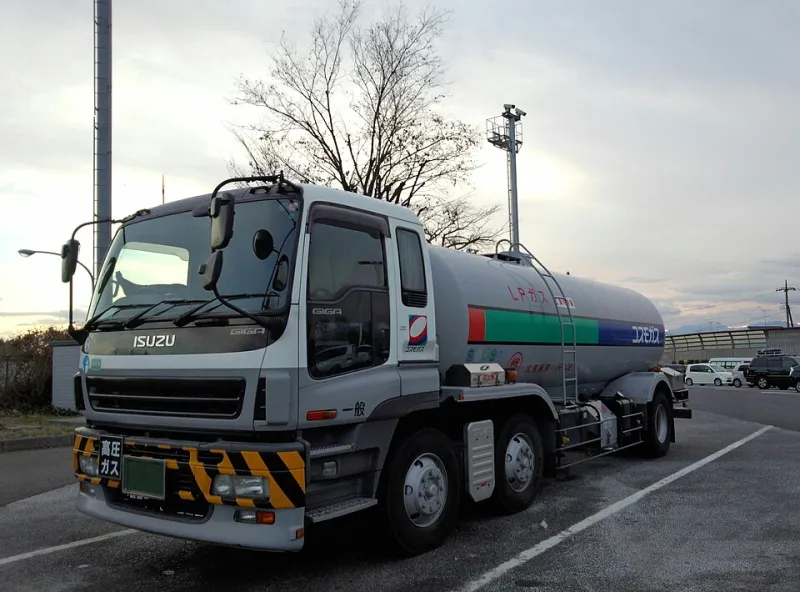
Photo: Mj-bird, CC BY-SA 3.0, via Wikimedia Commons
Off-grid does not have to mean off-comfort. Across rural Britain, LPG keeps homes warm where mains gas never reached. But an LPG Glow-worm is not simply a mains-gas boiler with a different label. The model has to be approved for LPG, the tank has to be sited properly and the servicing route needs to be clear before the first frost.
First, check the model, not just the make
Glow-worm makes boilers for different fuel types and installation situations, but not every boiler is automatically suitable for LPG. Some models can be converted with a manufacturer conversion kit; others cannot. The safe answer comes from the installation instructions, the data badge and the installer's confirmation, not from a forum post or a hopeful assumption.
Ask your installer to show you that the exact model and conversion kit are approved for LPG. The boiler should be commissioned as an LPG appliance, with the correct gas pressure and settings recorded. If someone says they can 'make it work', move on.
Sizing is about heat loss, not house size
LPG has a different calorific value and pressure from mains gas, so sizing has to start from the building, not from a rule of thumb about bedrooms. A proper heat loss calculation will look at insulation, glazing, exposed walls, air changes and how you use hot water. A rural home with solid walls and single glazing may need more heat than a modern new build of the same floor area.
For hot water, think about bathrooms and showers. A combi can be a neat fit for a small household, but a system boiler with a cylinder may suit a house with several bathrooms or a busy morning routine. The key is not to oversize. A boiler that spends its life cycling on and off is less efficient and no kinder to the tank than a correctly sized one.
The tank is part of the heating system
LPG storage is not a shed-sized afterthought. Tank siting affects delivery access, safety distances, drainage and how the boiler is piped. Above-ground tanks are common, but they need a firm base, clearances from boundaries, openings and drains, and enough room for a delivery tanker. Underground tanks can be neater but cost more and still need a suitable location.
Your LPG supplier and boiler installer need to talk to each other. The tank position should not block the boiler flue, sit where a leak could run into a drain, or make future servicing awkward. If the property needs a bunded tank, that should be decided early. Ask who owns the tank, who insures it and who checks it. Those questions are easier before the digger arrives.
Flue, condensate and frost
LPG boilers produce a plume like any modern condensing boiler, so the flue terminal still needs correct clearances and sensible placement away from windows, doors and boundaries. A plume management kit may help in tight spots, but it has to be approved for the appliance. The condensate pipe needs a continuous fall to a suitable drain or soakaway, and external runs need frost protection. On a rural site, a drain that looks fine in summer can be a frozen trap in January.
Servicing needs LPG competence
An annual service is not optional. LPG appliances need an engineer with the right Gas Safe registration for LPG work, not just mains gas. The service should cover the boiler, gas pressure and ventilation, and your installer should tell you what the LPG supplier checks separately. Keep the service records. They matter for the warranty and for the next owner of the house.
Questions to ask before you commit
- Is this exact Glow-worm model approved for LPG, and which conversion kit does it need?
- Can I see the heat loss calculation and the hot water sizing?
- Where will the tank go, and has the supplier approved the position?
- Who is responsible for the tank, the regulator and the pipework?
- Will the installer service LPG boilers, or will they pass me to someone else?
- How will condensate drain, and what happens in a hard frost?
- Are parts and LPG-specific spares easy to get hold of?
The 2026 practical view
LPG is often more expensive per kilowatt hour than mains gas, so efficiency and correct sizing matter more. Weather compensation, good controls and a well-insulated home will do more for running costs than a bigger boiler. If mains gas is never coming to the lane, a well-specified LPG Glow-worm can still be a sensible long-term choice. Just make sure the boiler, tank and service plan are designed as one system.
The bottom line
Specifying a Glow-worm for an LPG home is a joined-up job. Confirm the model is approved, size it from a real heat loss calculation, site the tank with the supplier and leave a clear servicing trail. Do that and off-grid heating can be steady, safe and predictable, even when the nearest gas main is miles away.