The Lukewarm Radiator Mystery: Balancing Your Glow-worm Without Blaming the Boiler

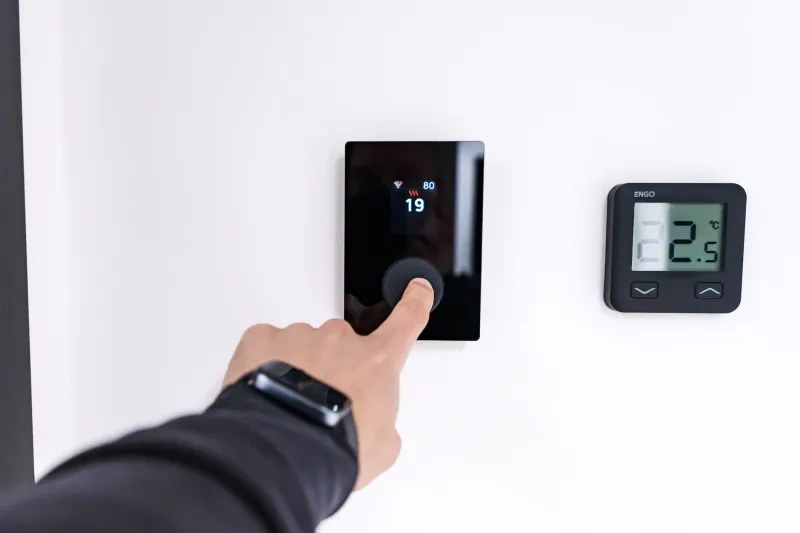
Photo: UK homeowner adjusting radiator valve in living room, warm home heating, via s3.amazonaws.com
There’s a particular kind of disappointment that arrives the first cold week after a new boiler goes in. You’ve done the sensible thing, swapped the old workhorse for a shiny Glow-worm, and you’re expecting the whole house to feel like a warm hug. Instead, the living room is lovely, the hallway is fine, and the back bedroom is giving off the vibe of a slightly apologetic storage cupboard.
Before you ring the installer and announce that the boiler is rubbish, take a breath. In a lot of UK homes, the boiler is doing exactly what it was asked to do. The problem is further down the line: the radiators are not hydraulically balanced. That means the hot water is taking the easy route around your system and leaving some rooms to wait their turn, possibly forever.
The boiler is probably not the villain
A Glow-worm combi or system boiler heats water and pushes it around a circuit. It doesn’t know that the spare bedroom is cold, or that the radiator nearest the boiler is hogging the hot water like someone at a buffet. Its job is to heat the water to the temperature set by the controls, then modulate down as the house warms up. If some radiators are restricted or the system is unbalanced, the boiler may cycle, run longer than it should, or make the whole house feel patchy.
That’s why replacing a boiler can sometimes feel underwhelming. The new unit is more efficient, quieter and probably much better behaved, but it is still working through the same pipes and radiators. If those radiators were never balanced properly, a shiny new Glow-worm will simply inherit the old problem.
The clues are usually in the radiators
Balancing issues tend to show up in a few very British ways. One radiator gets hot within minutes while another takes an hour to feel anything. Upstairs is warm, downstairs is lukewarm. The radiator in the hall is scorching, but the one behind the sofa is barely bothering. You might also hear whistling, whooshing or ticking from valves, or notice the boiler firing in short bursts rather than settling into a steady run.
It’s worth ruling out the obvious first. If a radiator is cold at the top and warm at the bottom, it may need bleeding. If the boiler pressure has dropped, top it up according to the manufacturer’s instructions. If a thermostatic radiator valve pin is stuck, that can stop a radiator heating even when the boiler is fine. But if the pattern is uneven across the whole house, and the radiators have been bled, balancing is the likely suspect.
What balancing actually means
Water is lazy. Given a choice, it will take the path of least resistance. Radiators closest to the boiler, or those with valves that are wide open, tend to grab more than their fair share of hot water. The radiators further away, or those on longer pipe runs, get the leftovers.
Balancing is the process of restricting the flow through the easier radiators so the stubborn ones get a fairer share. That’s what the lockshield valve is for, the little cap on the return side of the radiator, usually opposite the thermostatic valve. Inside, there’s a spindle that controls how much water can pass through. An installer will adjust these lockshields, often using a pair of clamp thermometers to check the temperature difference between the flow and return pipes on each radiator.
It is not simply a case of turning every valve down a bit and hoping for the best. Every radiator has its own sweet spot, and the settings depend on pipe size, radiator size, pump speed and the layout of the system. Counting the turns on a neighbour’s radiator and copying them is about as reliable as using a pub quiz answer sheet to do your tax return.
Why lower flow temperatures make this matter more in 2026
Modern Glow-worm boilers are designed to condense and run efficiently, which often means lower flow temperatures than the old boiler they replaced. That’s good news for gas bills and carbon, but it leaves less margin for error. When the water going around the system is cooler, every radiator needs to be pulling its weight. A badly balanced system that just about coped with a hot old boiler can suddenly feel noticeably patchy.
The same applies if you’re running weather compensation, a hybrid heat pump setup, or just trying to squeeze more efficiency out of your heating. Lower flow temperatures and smarter controls reward a well-balanced system. They punish a lazy one. In 2026, balancing isn’t a luxury extra for heating nerds; it’s part of making a modern Glow-worm perform as intended.
What you can check, and where to stop
There are a few sensible homeowner checks. Bleed the radiators if they’re cold at the top. Make sure the thermostatic valves aren’t stuck and that the room thermostat is actually calling for heat. Check the boiler pressure is where it should be. Note which radiators heat quickly and which lag behind, and write it down. That information is genuinely useful to an installer.
What you shouldn’t do is start randomly closing lockshield valves, especially if you don’t know what they were set to before. A small tweak might make one room better and three rooms worse. Fully closing a valve can starve part of the system, and if you have a sealed system, repeated fiddling can introduce air or cause pressure problems. If the boiler starts kettling, the pressure keeps dropping, or you see leaks, stop and call a professional.
Balancing isn’t gas work, but it is system tuning. A competent heating engineer will have the tools and experience to do it properly, and many will rebalance as part of a boiler installation or a follow-up visit. If your installer didn’t balance the radiators after fitting the Glow-worm, it’s a fair question to ask.
What a proper balancing visit looks like
A good balancing job isn’t a five-minute fiddle. The engineer will ask which rooms are cold, check the whole system, and often measure temperatures at each radiator. They’ll adjust the lockshields in a logical order, recheck the temperatures, and make sure the boiler is running steadily rather than short-cycling. They may also check pump settings, confirm the system is clean, and recommend a flush or magnetic filter if there’s sludge in the water.
It can take a couple of hours in a typical UK home, sometimes longer if the system has been neglected. But the difference is often obvious: more even heat, quicker warm-up, less valve noise, and a boiler that settles down instead of huffing and puffing through every cycle.
The bottom line
If your Glow-worm feels underwhelming, don’t automatically assume the boiler is at fault. Hot water has to be shared fairly around the house, and that only happens when the radiators are balanced. Get the basics right, note the cold spots, and let a professional tune the system properly. A well-balanced Glow-worm won’t just feel warmer. It’ll sound happier, run more efficiently, and make that new boiler money feel much better spent.