A Boiler at the Bottom of the Garden? Heating a Glow-worm Annex Without Overdoing It
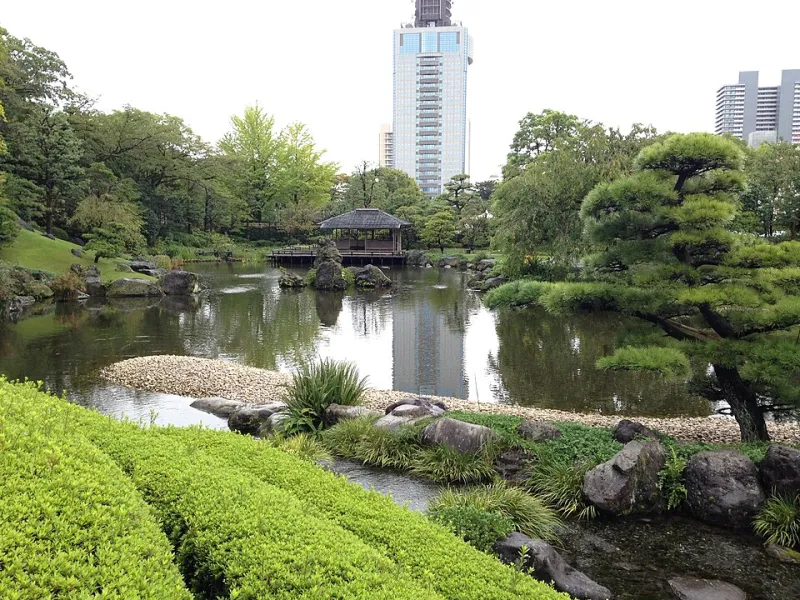
Photo: そらみみ (Soramimi), CC BY-SA 4.0, via Wikimedia Commons
By November 2026, the garden room has stopped being a summer novelty. It is an office, a studio, a guest annex or the quietest room in the house. If you want to use it in February without a coat, heating has to be part of the plan. The question is whether to extend the main house system or give the building its own small Glow-worm.
Start with the building, not the boiler
A boiler cannot fix a leaky box. Before comparing systems, look at insulation, glazing, draughts and floor construction. A well-insulated garden office of around 10 to 15 square metres might need only 1 to 2 kW of heat on a cold day. A shed conversion with single glazing and no floor insulation could need far more. That difference changes everything, because modern boilers have a minimum output and do not always enjoy short, small heating demands.
Ask for a room-by-room heat loss calculation. It is the difference between a system that runs steadily and one that fires up, overheats the room and shuts down.
Option one: extend the main house circuit
If the garden room is close to the house and the existing Glow-worm has spare capacity, a zoned extension can be tidy. Insulated flow and return pipes run underground to the annex, and a separate thermostat and motorised valve keep the garden room out of the house schedule. One boiler serves everything, one service contract covers it and there is no second flue.
The catches are real. Long pipe runs lose heat, even when insulated. The trench, pipework and controls add cost. The house boiler must have enough capacity for the extra load, and the system needs to be balanced properly. If the garden room is more than a short walk from the boiler, the losses and installation work can make this option less attractive.
Option two: an independent Glow-worm in the annex
A small Glow-worm in the garden building gives you independent control. You can heat the office without warming spare bedrooms, and a fault in one building does not necessarily take out the other. There is no trench and no long pipe run losing heat in the soil.
But independence brings its own checklist. The gas supply has to be sized correctly from the meter or tank, which may mean a new pipe run. The flue needs a compliant position away from windows, boundaries and opening vents, and the plume should not drift into a doorway or onto a neighbour's patio. The condensate pipe needs a fall to a drain or soakaway, with frost protection if any of it runs outside. And there is a second appliance to service and a second set of warranty paperwork to keep.
The details that decide the cost
Running costs are not just the boiler's efficiency rating. They depend on how often the room is used, how fast it heats up and how much heat escapes. A small independent boiler that short-cycles because the room is tiny can be less efficient than expected. A zoned extension that keeps a long pipe run warm can also waste energy. Controls matter: a programmable thermostat, weather compensation where suitable and sensible set-back temperatures will do more than a bigger boiler.
As an illustration, a well-insulated office needing 2 kW for eight hours uses about 16 kWh of heat. At 90 percent efficiency, that is roughly 18 kWh of gas. At 7p per kWh, it would cost around £1.25 a day, before standing charges and controls. Over a six-month working year, that is in the low hundreds of pounds. Change the insulation, the gas price or the hours and the figure moves. Treat any quote that promises a precise annual cost without a heat loss calculation with suspicion.
What about hot water?
If the garden room has a small sink or a shower, say so early. A combi can supply hot water from the same unit, but it needs a cold mains supply and a sensible flue position. If there is no hot water demand, a heating-only approach may be simpler. Do not let a hot water wish list push you into an oversized boiler for a room that mainly needs a warm desk.
Flue, condensate and neighbours
A garden building can put a flue closer to a boundary than a house flue would be. Clearances to windows, doors, vents and boundaries still apply, and the plume should be considered in practice, not just on paper. Nobody wants to sit on a patio in the plume of a boiler. Condensate is the other common snag. If the garden room sits below the drain level or far from a suitable outlet, a soakaway or pumped solution may be needed. Those details should be designed before the foundations are finished, not after.
Questions for the installer
- What is the heat loss for the garden room, and what is the boiler's minimum output?
- Does the house boiler have spare capacity for a zoned extension?
- How long is the pipe run, and how will it be insulated and drained?
- Where exactly will the flue terminal go, and where will the plume travel?
- How will condensate drain, and is frost protection needed?
- Is the gas supply adequate for a second appliance?
- What controls will keep the annex independent without wasting heat?
The bottom line
Heating a garden annex with a Glow-worm is not one decision but two: independent boiler or zoned extension. A close, well-insulated room with a capable house boiler often suits a zone. A distant building, a busy household or a room used at different hours can make a small independent unit more sensible. Get the heat loss right, plan the flue and condensate early, and choose the option that matches how you actually use the space. The best system is the one you forget about until the first cold Monday.